
TOKYO, May 12, 2026 – As climate pressures, urban density and ageing populations reshape cities worldwide, Tokyo is increasingly positioning sustainability, not just technology, at the centre of its future urban strategy.
At SusHi Tech Tokyo 2026, many of the strongest conversations around innovation ultimately pointed toward one central theme: how cities can become cleaner, more resilient and more liveable through smarter systems and infrastructure.
Behind that vision is the Tokyo Metropolitan Government’s broader Smart Tokyo initiative, which seeks to integrate sustainability, digital infrastructure, mobility innovation and urban resilience into the long-term evolution of the Japanese capital.
From reimagining transport infrastructure and reducing urban emissions to deploying digital twins and next-generation mobility systems, Tokyo is increasingly treating sustainability as a systems-level challenge rather than a standalone environmental issue.
Takanawa Gateway City Becomes a Living Laboratory for Sustainable Urban Innovation
One of the clearest examples of this transition is Takanawa Gateway City, a major redevelopment project led by JR East around the newly developed Takanawa Gateway Station.
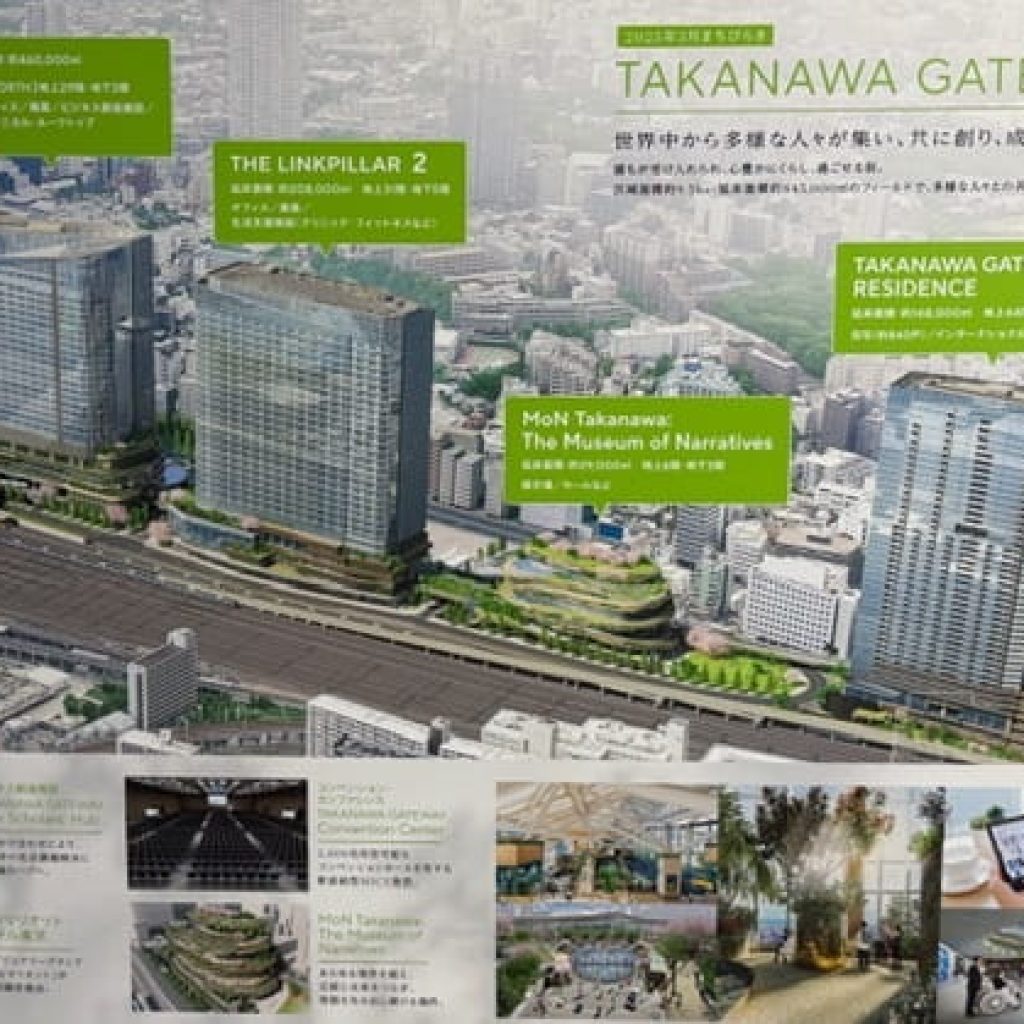
Designed as a next-generation urban district, the project combines smart mobility, AI-enabled services, robotics, digital healthcare, energy-efficient infrastructure and real-time urban data systems.
The district is increasingly being positioned as a “living laboratory” where sustainability solutions are tested in real-world environments.
Rather than treating climate resilience, mobility and digital transformation as separate agendas, the project integrates them into one urban operating model.
The initiative also demonstrates how sustainability is becoming deeply tied to startup ecosystems and cross-sector collaboration.
Mobility Innovation and the Push for Lower-Impact Cities
Mobility remains one of the most important sustainability challenges for major cities. At SusHi Tech Tokyo 2026, several next-generation mobility solutions showcased how Tokyo is exploring lower-impact and more inclusive movement systems.
Among them was UNI-ONE, Honda’s hands-free personal mobility device designed to improve accessibility and movement efficiency while reducing physical strain and encouraging more pedestrian-friendly urban interaction.
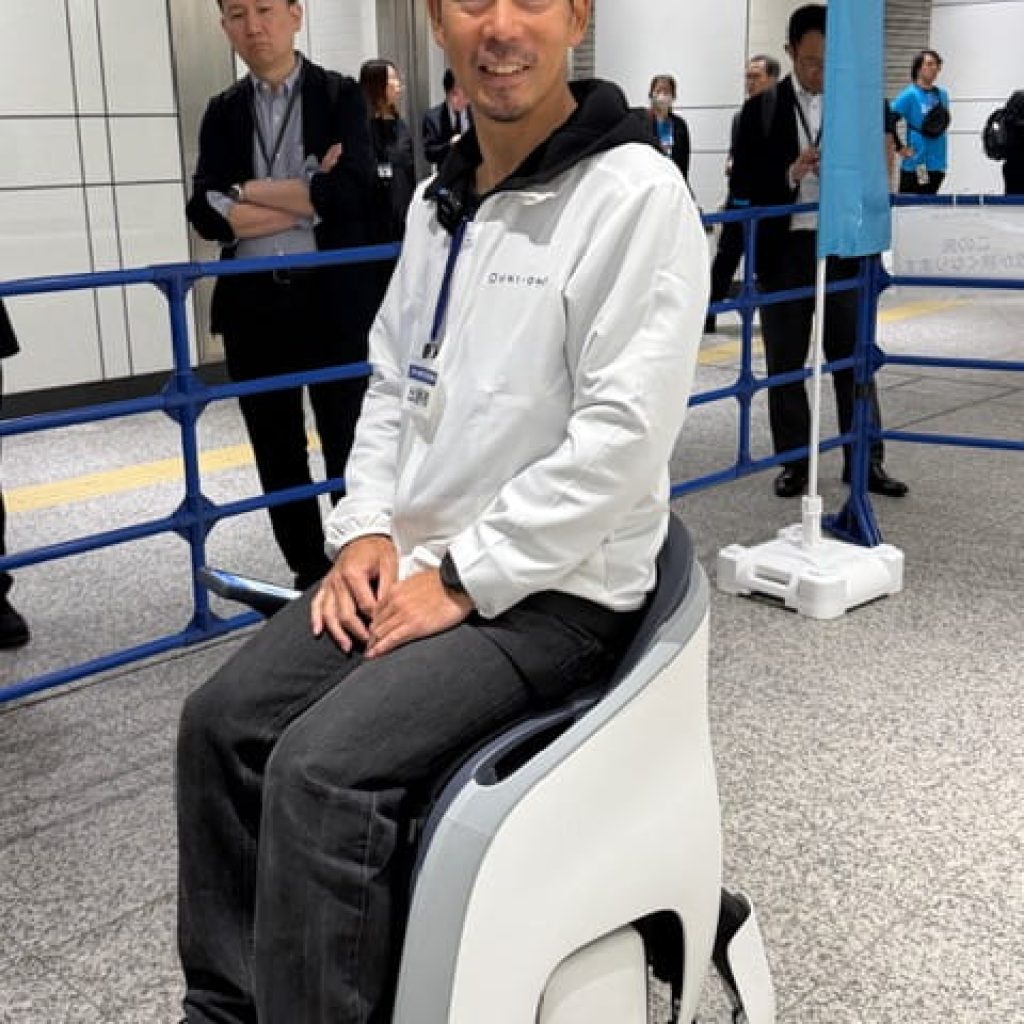
Projects linked to Takanawa Gateway City are also experimenting with autonomous movement systems, robotic delivery services, slow mobility solutions and integrated urban transport platforms.
The larger sustainability goal is clear: creating cities that are less dependent on traditional vehicle-centric movement while improving accessibility and urban efficiency.
Digital Twins Could Become a Major Sustainability Tool
One of Tokyo’s most ambitious long-term sustainability initiatives lies in its investment in digital twin infrastructure. The Tokyo Metropolitan Government’s Tokyo Digital Twin Project seeks to create virtual urban replicas using real-time data, sensors and 3D modelling technologies.
While often framed as a technology initiative, digital twins are increasingly emerging as a sustainability tool. The systems can help cities optimise traffic flows, reduce energy inefficiencies, improve disaster preparedness, manage infrastructure more intelligently and simulate climate risks and urban responses.
Government-supported and corporate-backed startups participating in “Shin Digital Twin” initiatives are now exploring how AI and simulation technologies can help make urban environments more adaptive and resource-efficient.
This reflects a broader global shift where urban sustainability increasingly depends on data-driven decision-making.
Reclaiming Urban Space Through the KK Line Transformation
Perhaps one of the strongest visual examples of Tokyo’s changing sustainability priorities is the revitalisation of the historic Tokyo Expressway (KK Line). Originally designed around automobile movement, sections of the elevated expressway are now being repositioned toward more pedestrian-friendly and public-oriented use.
The project mirrors similar transformations seen globally, where cities are reclaiming car-centric infrastructure for greener, more human-centric urban environments.
The shift reflects a larger sustainability principle: future cities cannot simply optimise old infrastructure, they must rethink how urban space itself is used.
Nishi-Shinjuku and the Challenge of Sustainable Density
The redevelopment of Nishi-Shinjuku also highlights Tokyo’s effort to balance density with sustainability. The district’s evolution focuses on, transit-oriented development, energy optimisation, mixed-use planning, integrated mobility and digitally connected infrastructure.
For Tokyo, high-density urban living is not being viewed as a limitation, but as an opportunity to build more efficient and lower-emission city systems.
Sustainability as Economic and Urban Strategy
One of the strongest messages emerging from SusHi Tech Tokyo 2026 is that sustainability is no longer a separate environmental conversation. It is increasingly being embedded into, mobility, infrastructure, startup ecosystems, urban planning, AI systems and investment strategy.
Tokyo’s smart city initiatives show how climate resilience and digital transformation are becoming interconnected. The challenge now lies in execution at scale and ensuring that sustainability principles move consistently from policy vision into everyday urban experience.
But Tokyo’s direction is becoming increasingly clear: the city is not just trying to become smarter.
It is trying to become more sustainable, resilient and future-ready at the same time.